IG GROUP
Role
Product Designer
Platform
Web trading platform
Mobile app
Team
Aditya Raj Pandey
Naveen Kumar
Avinash Thakur
Timeline
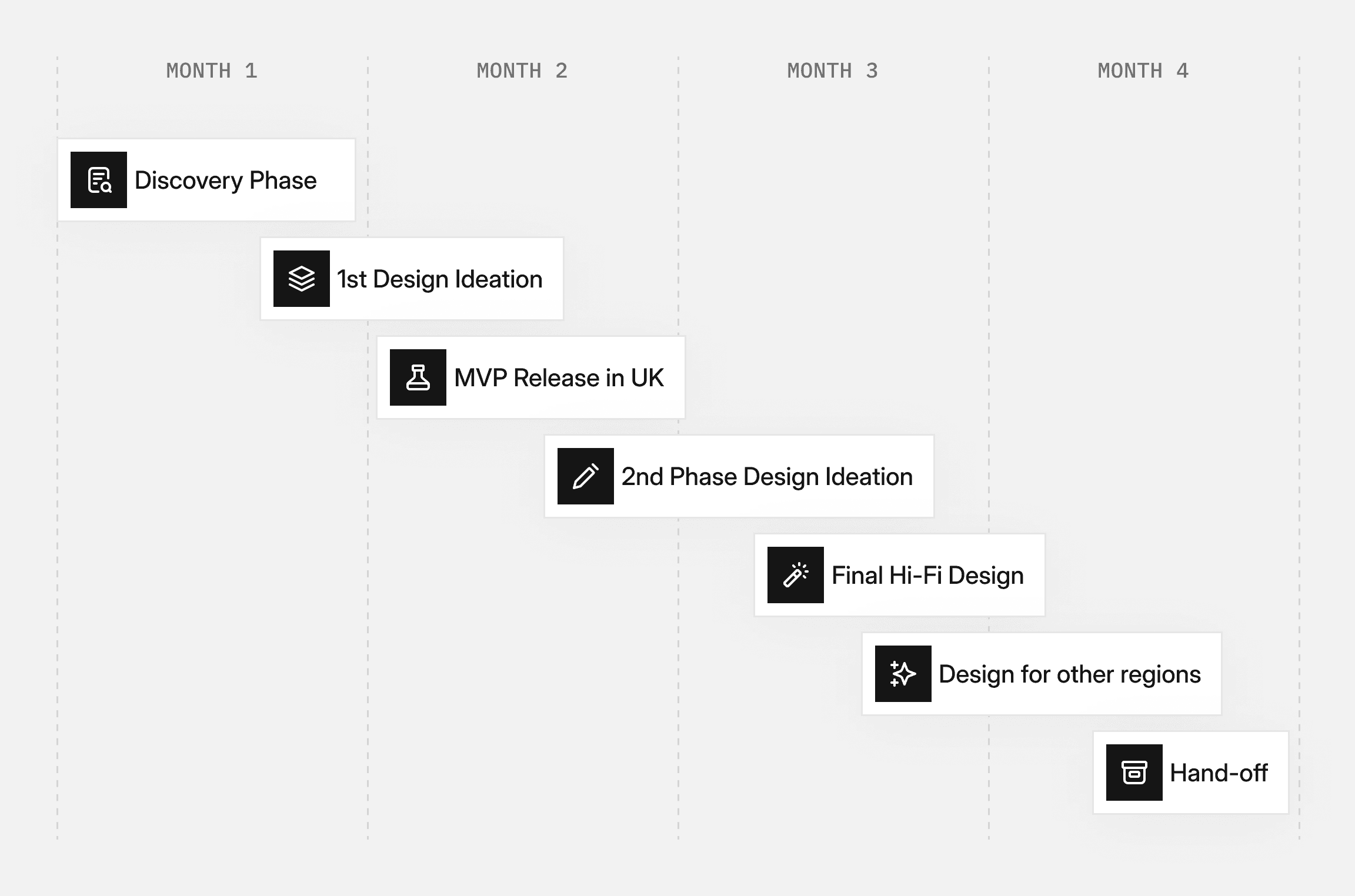
Sep 2024- Dec 2024
// INTRODUCTION
IG Group is the No. 1 CFD provider, offering instruments like indices, FX, gold, and commodities. While indices and FX dominated trading activity, internal data revealed low engagement across other instruments. This case study outlines how we addressed that gap through an incentive-driven design solution.
// The Design Goal
This lack of diversification in instrument usage posed a strategic concern. From a risk and revenue standpoint, IG wanted to encourage broader adoption across its product range. The goal was to increase platform engagement, promote the discovery of alternative instruments, and reduce the company's reliance on just a few high-volume products.
// RESEARCH
Discovery Phase
The initial insight came from product and analytics data, which showed that most trading activity centered around Indices and FX. In contrast, crypto, gold, other metals, energies and commodities saw low engagement, despite being core offerings.

To validate this, our UX research team interviewed professional users and talked to Premium Account Executives (PAE) and Premium Client Mangers (PCM). We discovered that trading behavior was driven by perceived popularity—users simply followed what others were trading. There was also a lack of awareness about the full range of instruments and no strong incentive to explore beyond the usual choices.
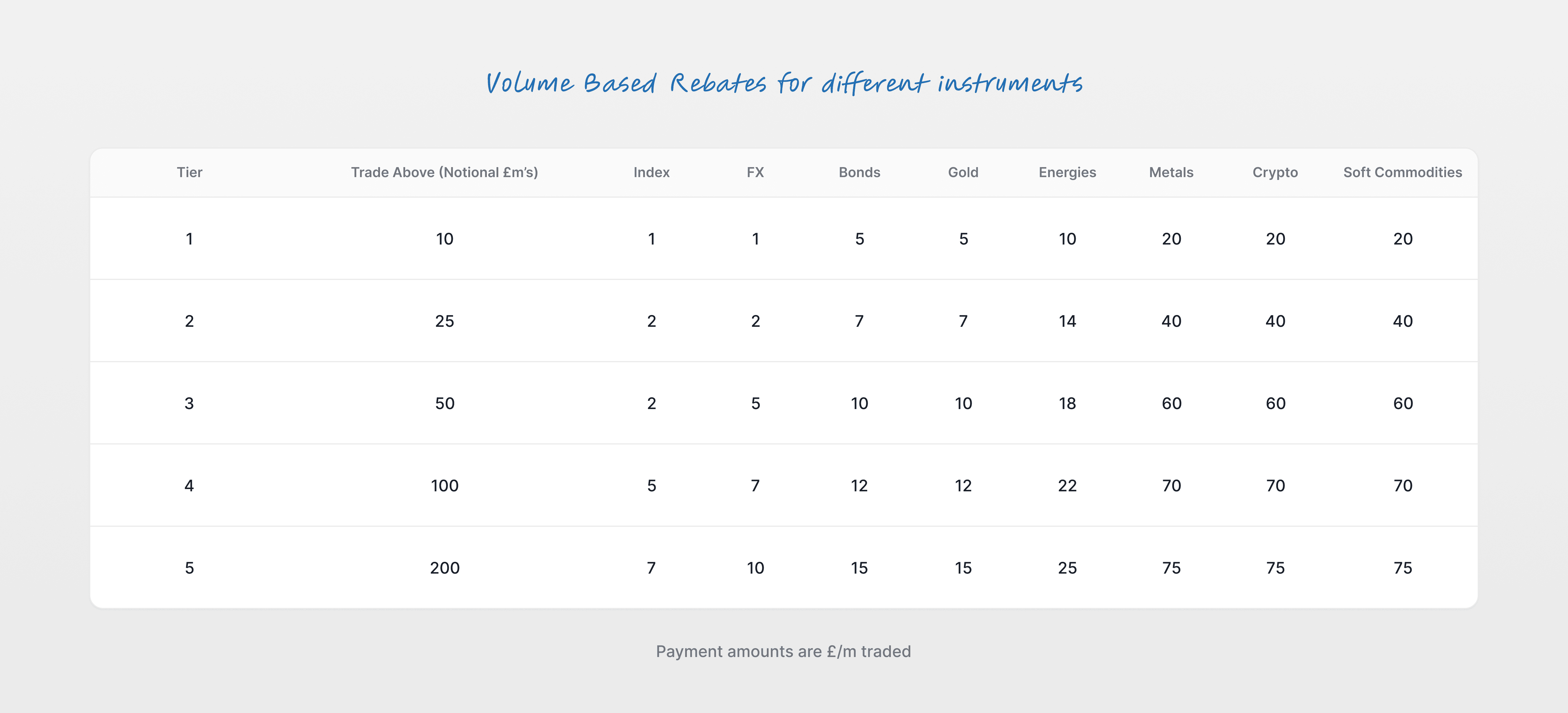
While IG had a volume-based rebate program in place to promote diversification, it was poorly surfaced and misunderstood. It existed only on the public website, disconnected from the core trading experience, which limited its reach and impact.
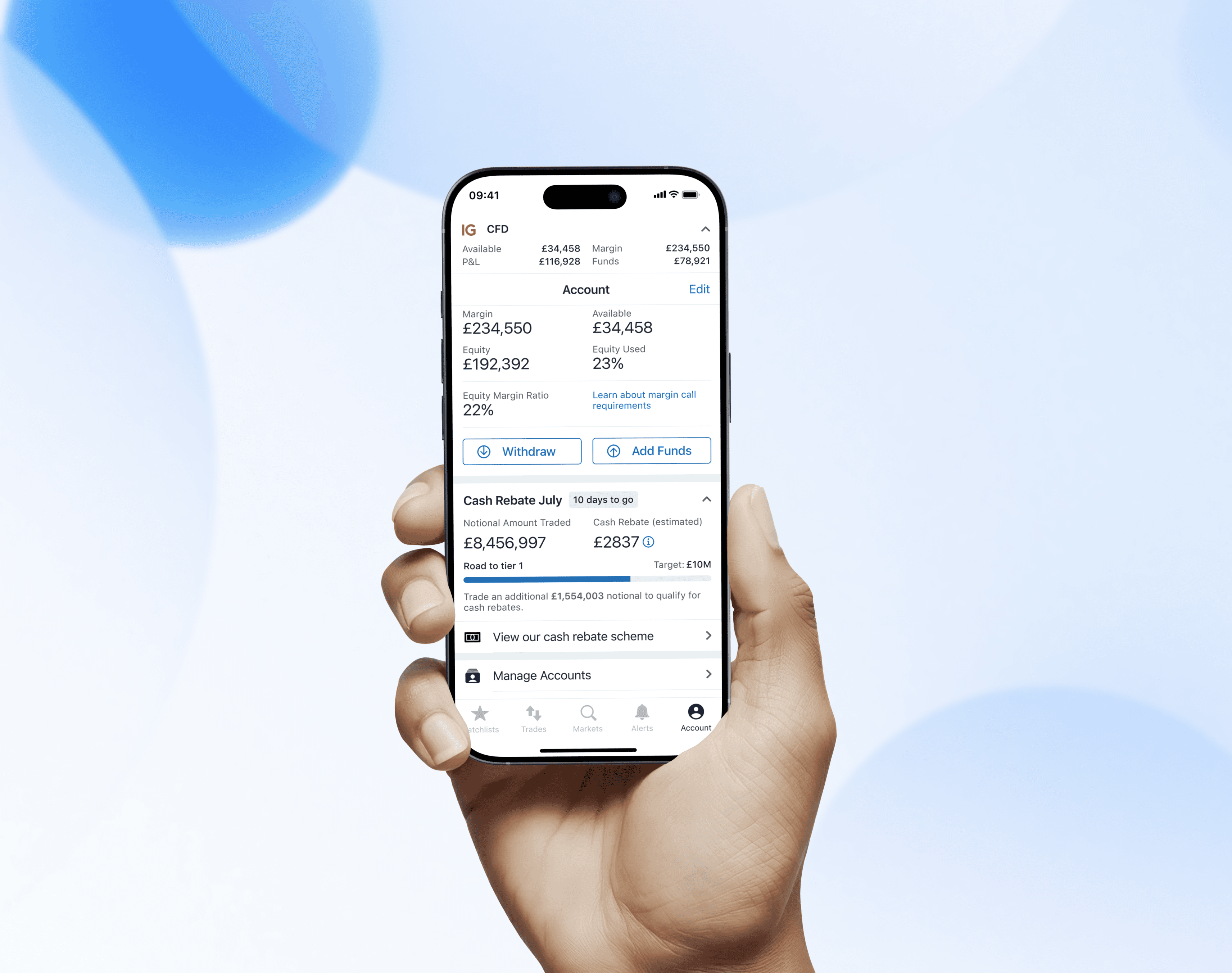
To boost engagement with underused instruments, business stakeholders proposed adding IG’s existing rebate model directly in Mobile and Web App for better visibility and transparency. The plan was to offer tiered cashback—higher rewards for trading crypto, indices, and commodities, and lower for FX and Indices. Our design goal was clear: make the program highly visible, transparent, and easy to track across both web and mobile platforms, helping users optimize their trading in real time.
// Design Process
How do we achieve our goals?
We began by identifying key touchpoints in the user journey where the rebate program could surface contextually—places where it would feel helpful, not intrusive. Our exploration included the homepage, portfolio view, and settings page, aiming to meet users where they already manage their trading.
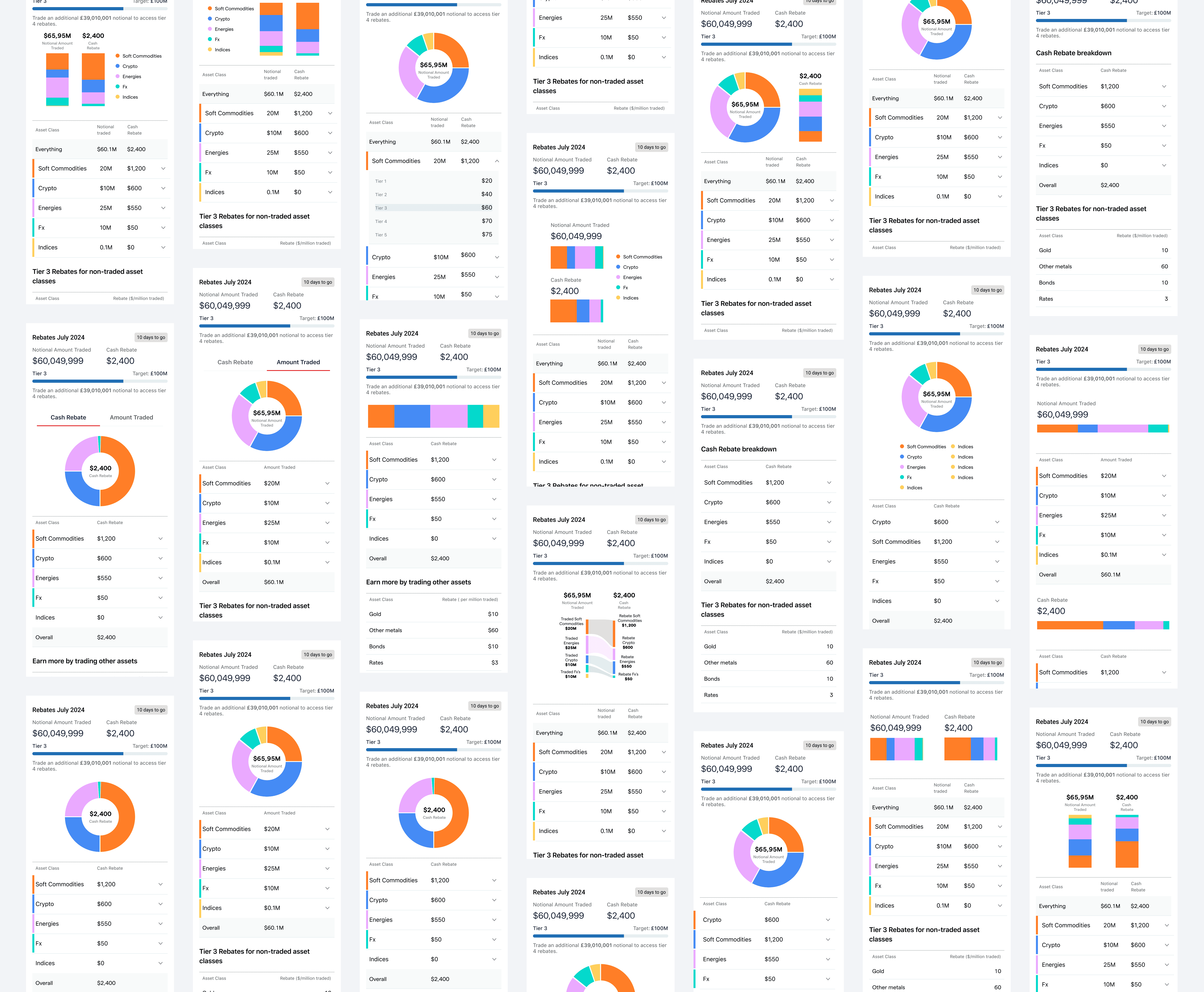
Next, we tested multiple UI patterns to determine the most effective way to deliver the rebate experience:
Pop-ups – Great for grabbing attention, but risked feeling interruptive.
Modals – Allowed for guided walkthroughs, but didn’t suit frequent interactions.
Full dashboards – Provided depth but lacked daily visibility.
Inline cards – Lightweight and persistent, offering at-a-glance updates without disrupting flow.
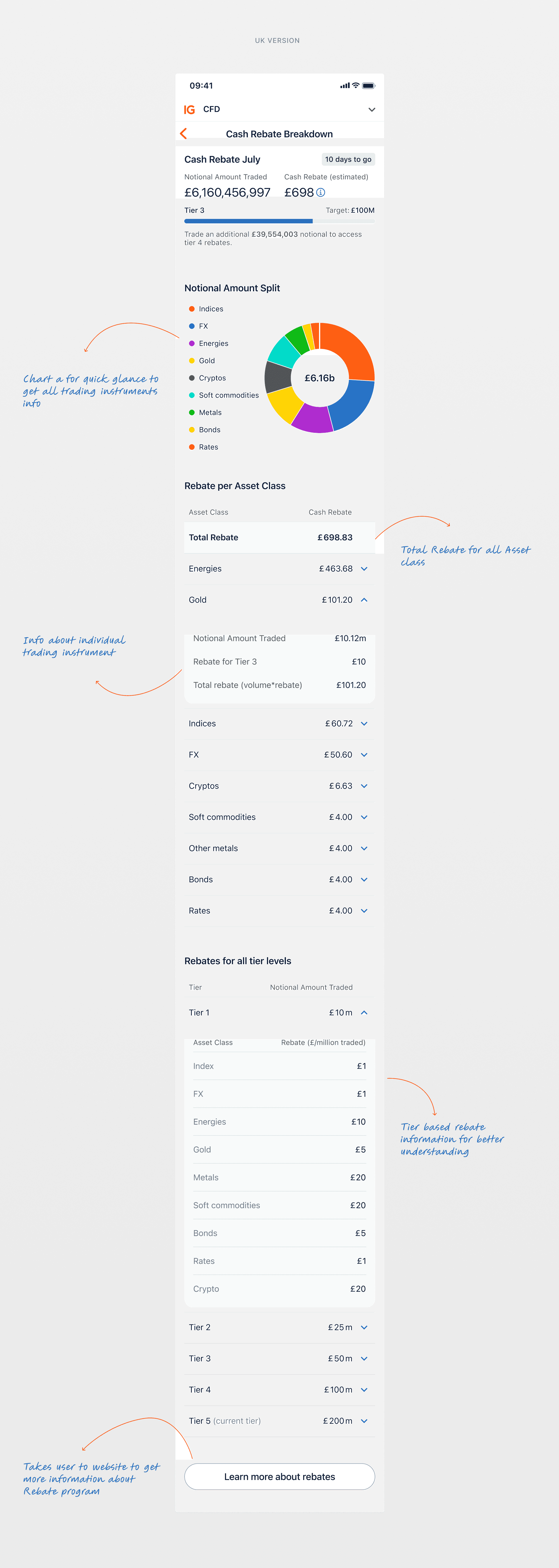
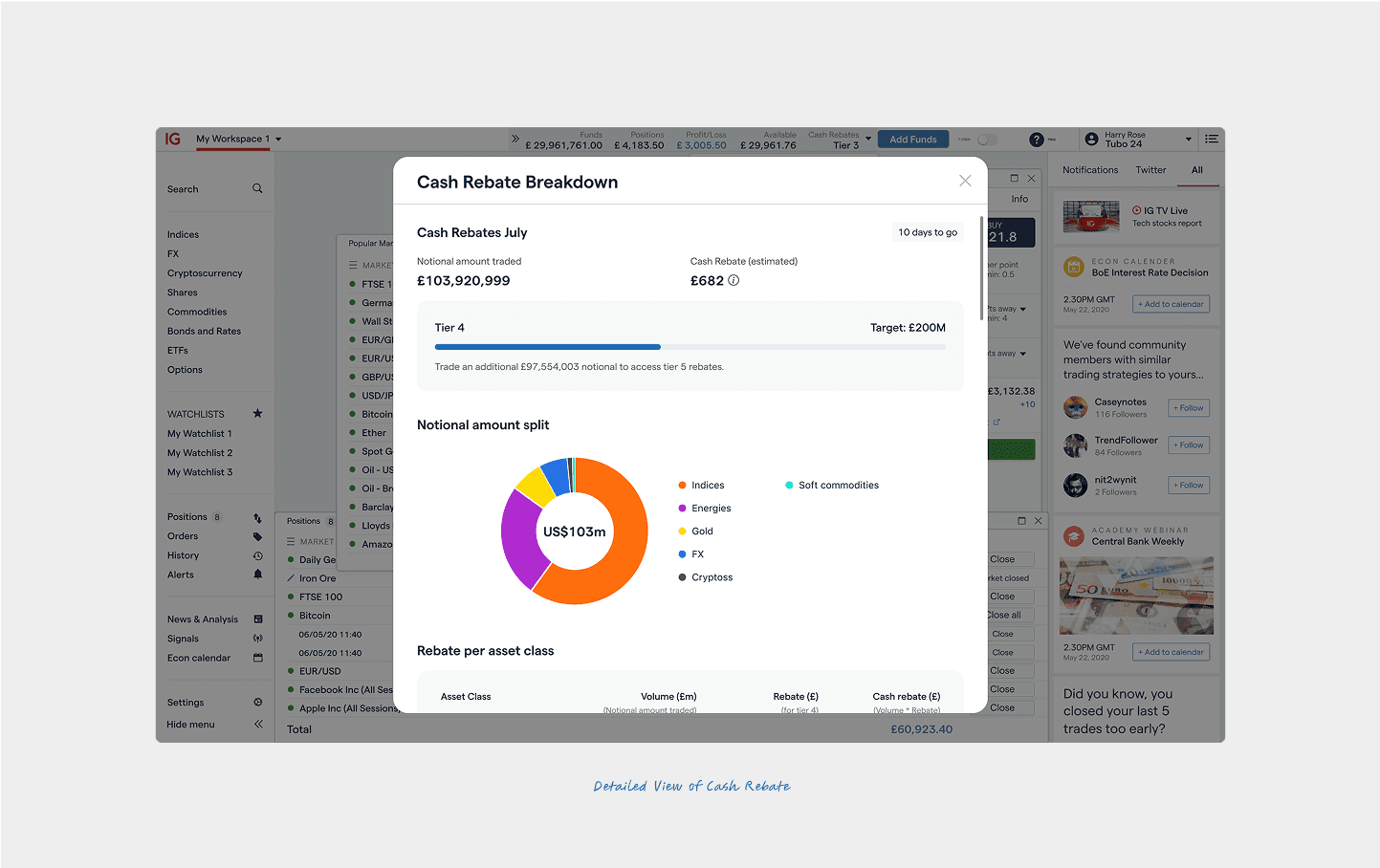
Chart View – Explored as a visual breakdown of instrument-level contributions. While engaging, it worked better as a secondary element in the detailed view rather than a primary layout.
Tier Status, Progress, and Rebate Visibility
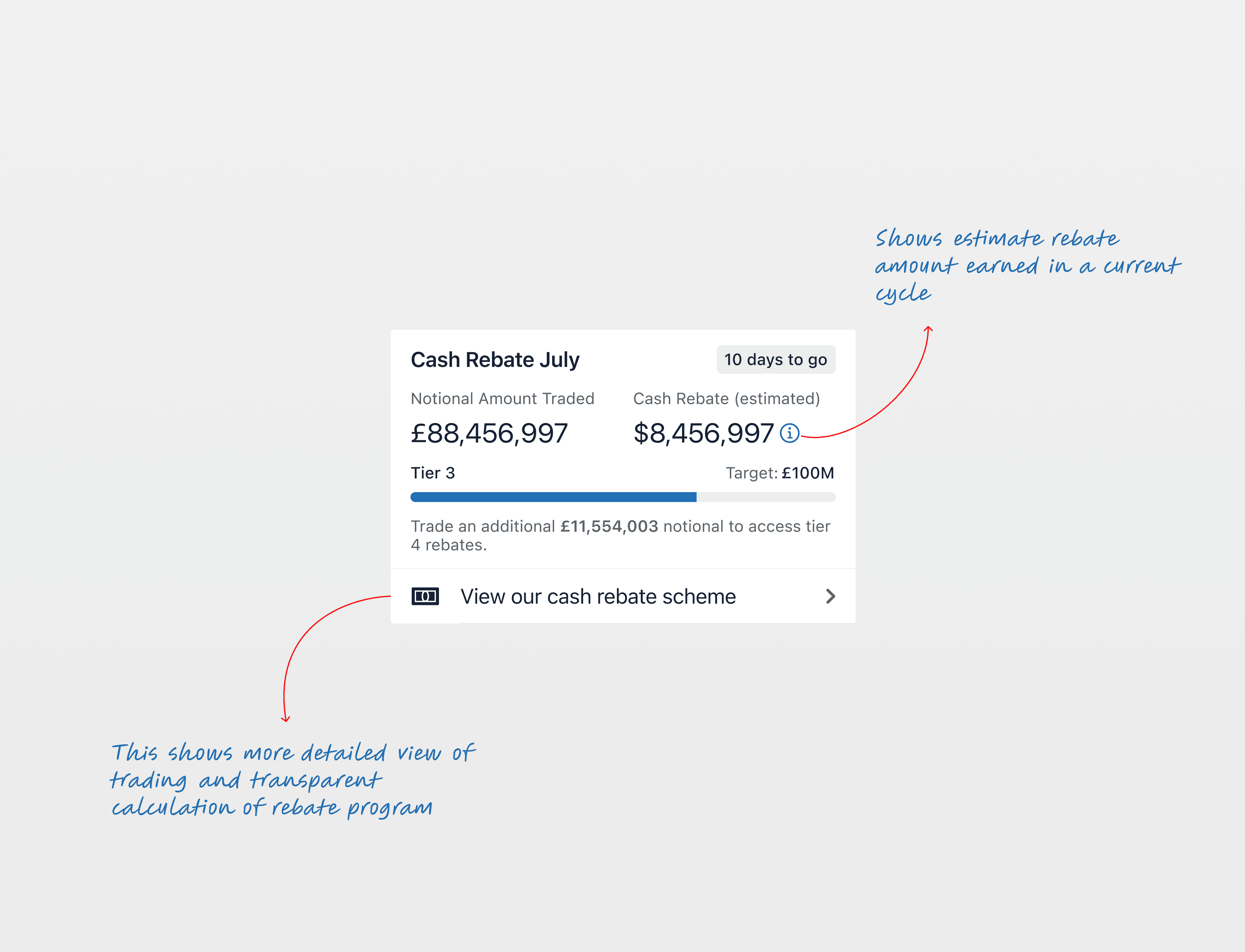
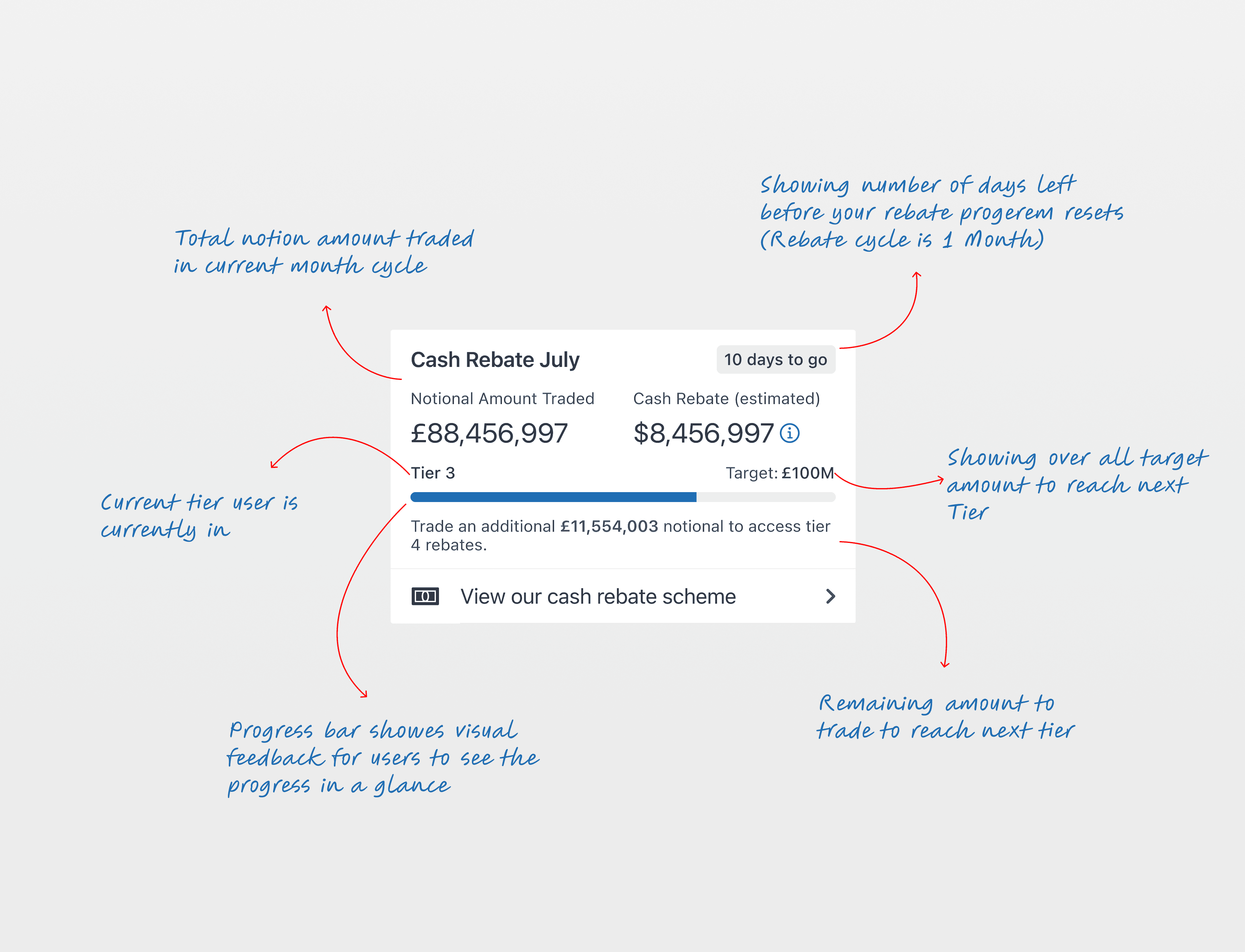
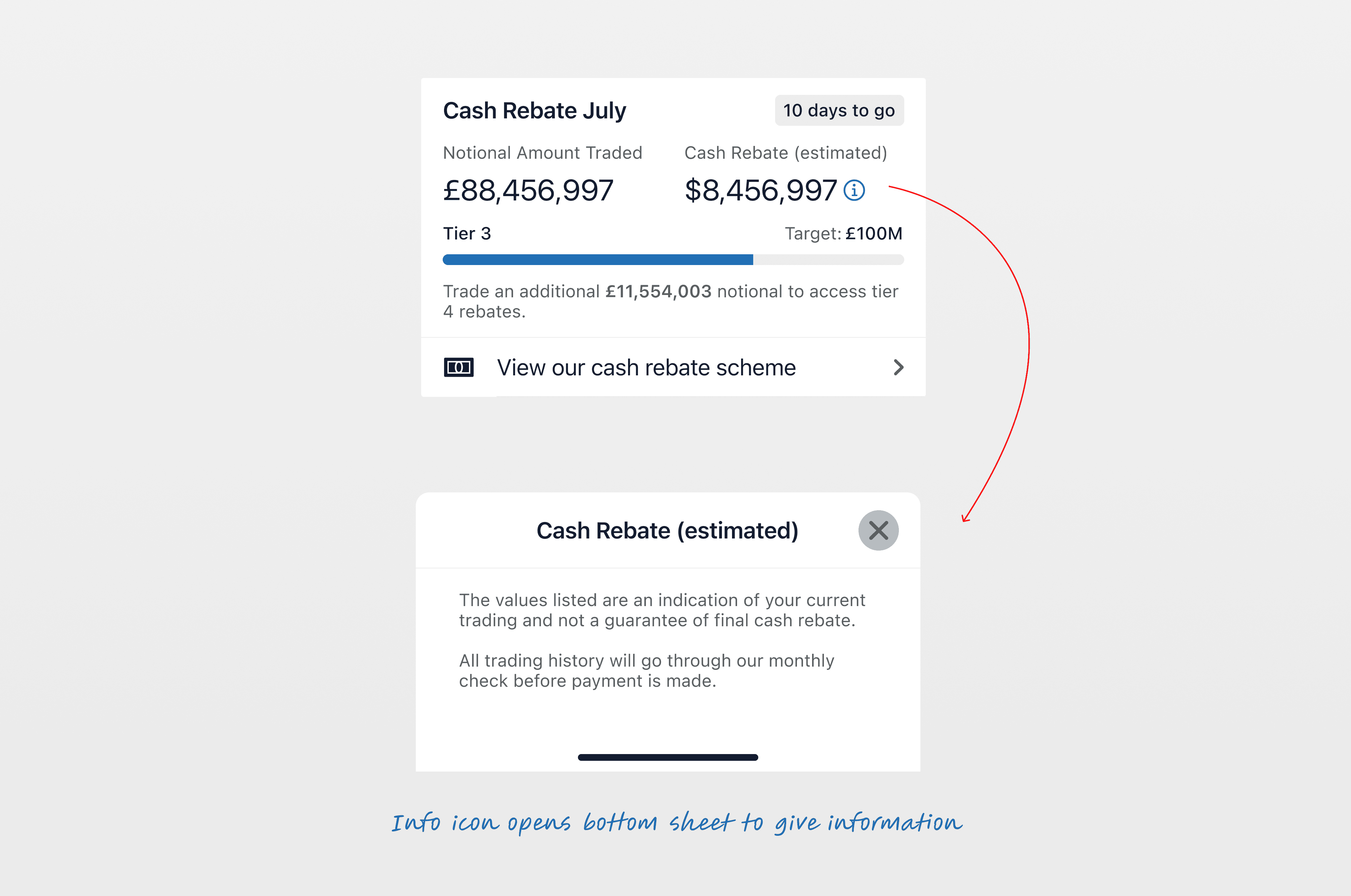
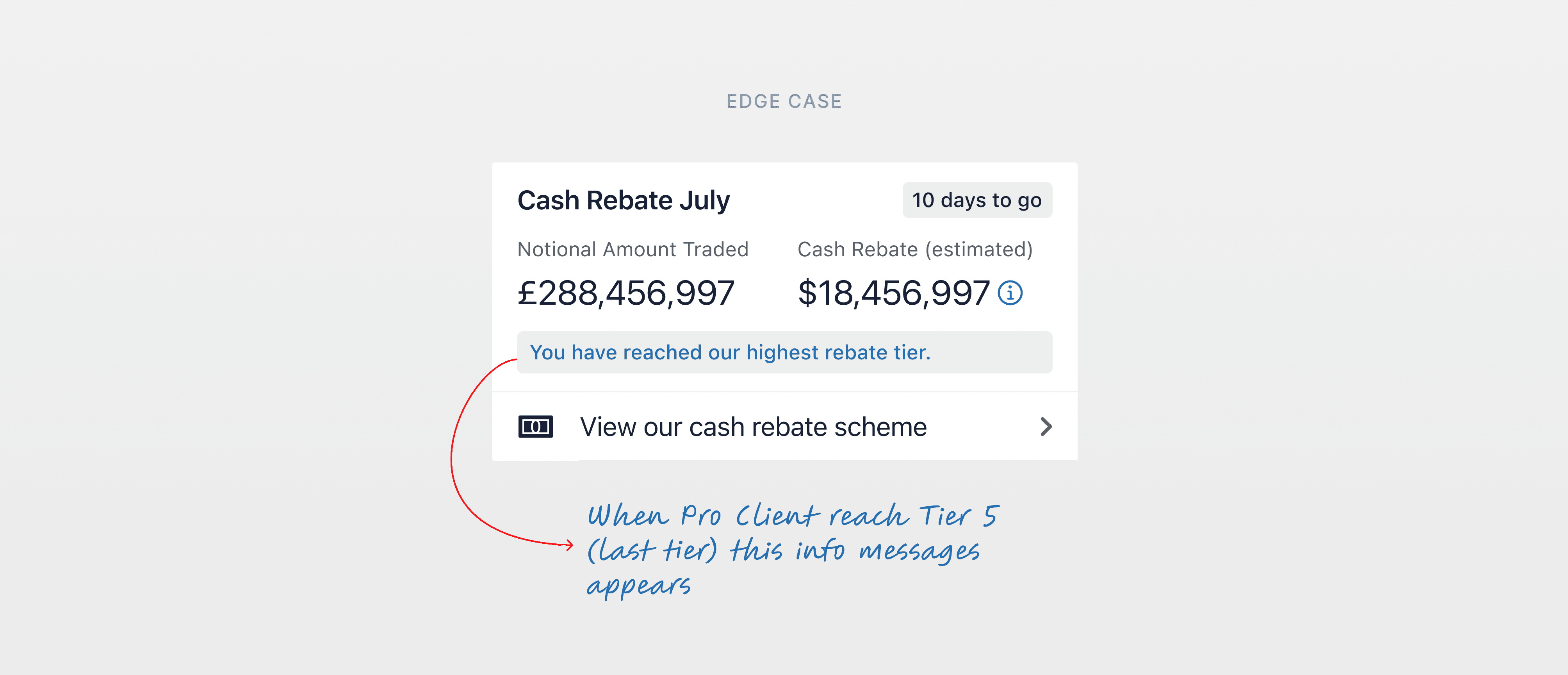
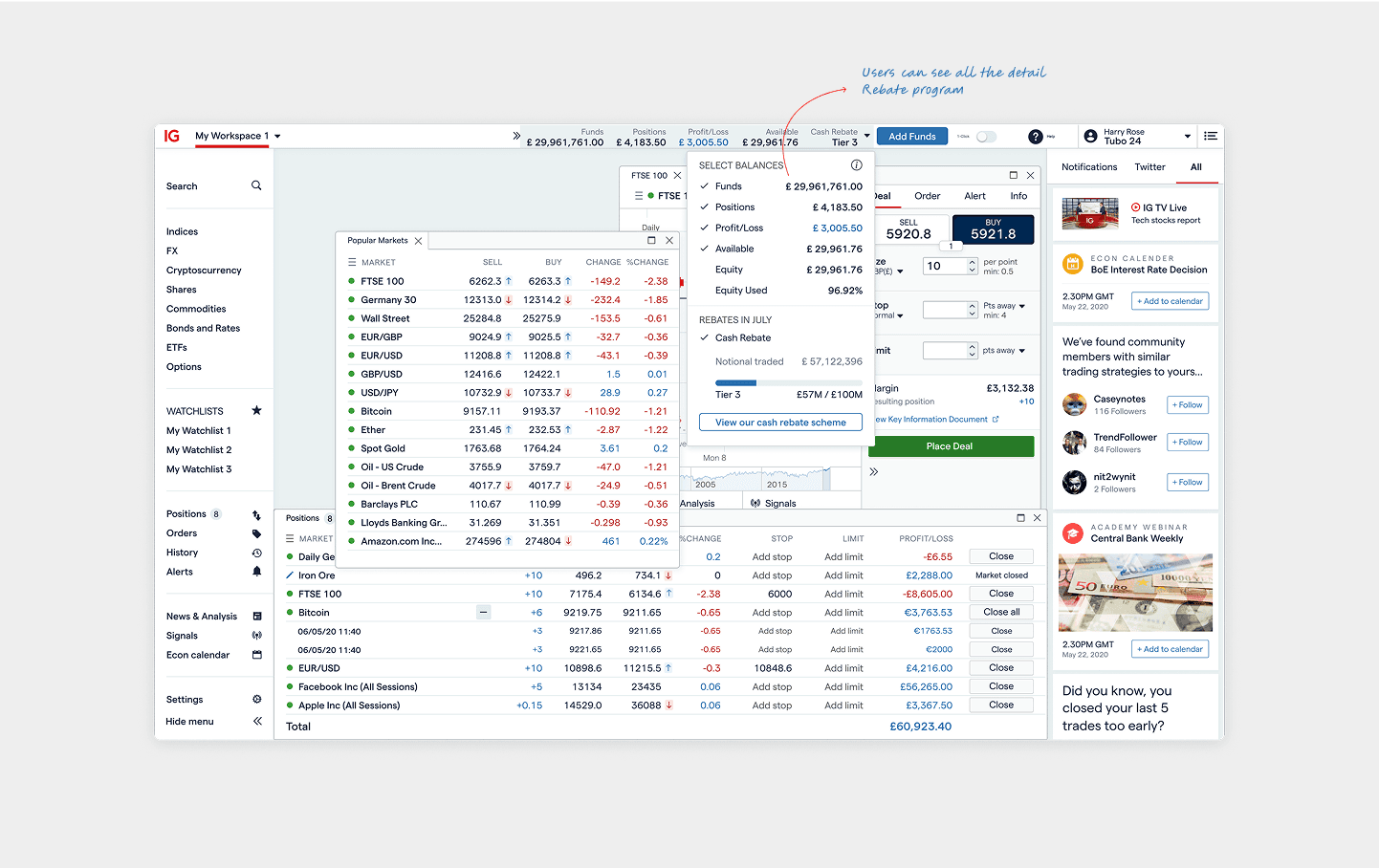
Current Tier Display: Shows the user's current rebate tier (e.g., Tier 1, Tier 2), giving a sense of status and progression.
Next Tier Goal: Clearly indicates how much more trading volume is needed to reach the next tier, adding a gamified goal-oriented element.
Real-Time Progress Bar: A dynamic visual tracker updates instantly as users trade, offering immediate feedback and enhancing motivation.
Rebate Amount Earned: Displays the total cashback earned so far (in currency or percentage), reinforcing the value of the program and driving continued engagement.
User Impact: Users described this combination as giving them “a sense of control and clarity,” turning the rebate from a passive benefit into an active motivator.
Rebate Calculation: Users described this combination as giving them “a sense of control and clarity,” turning the rebate from a passive benefit into an active motivator.
Web Design
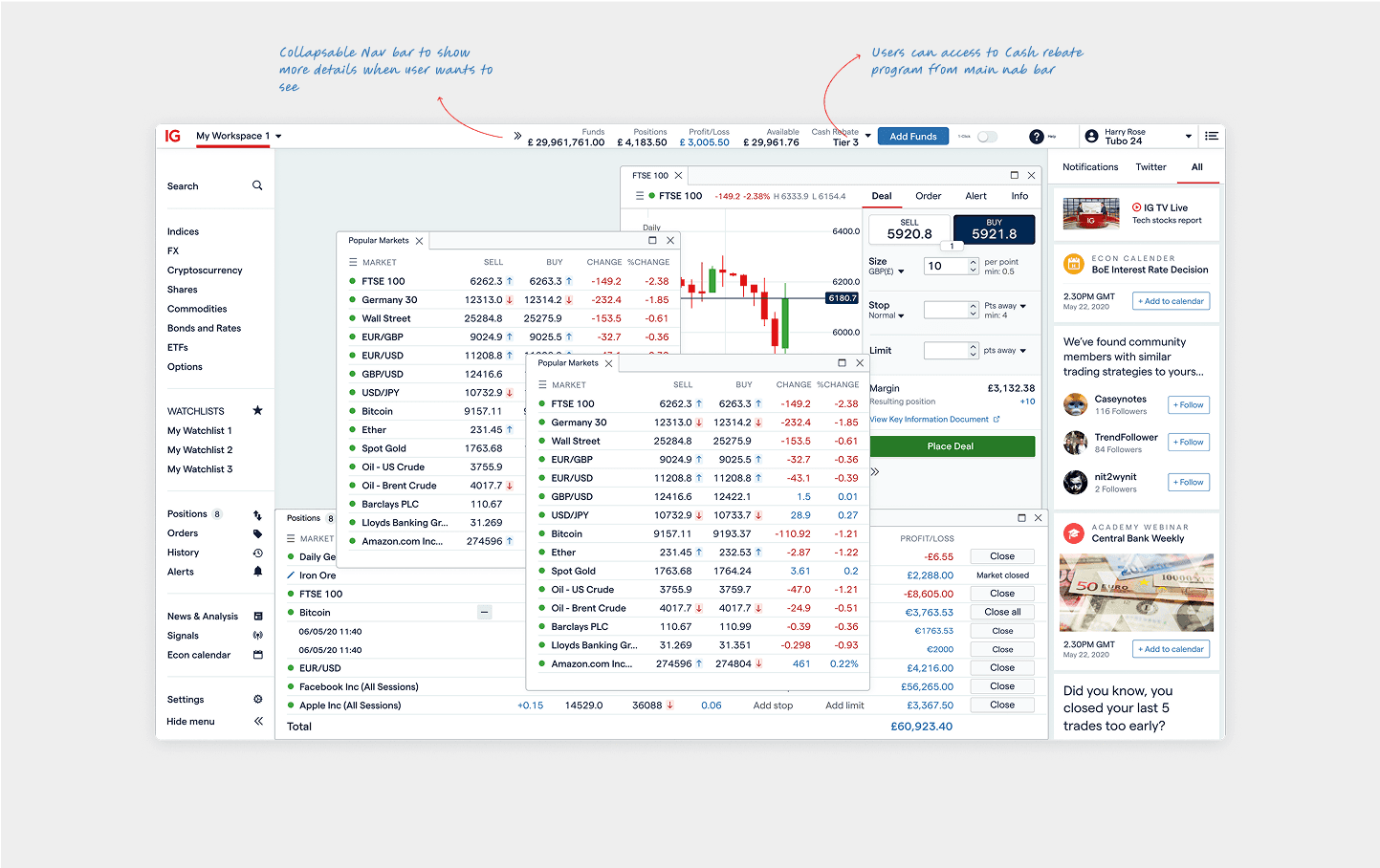
We added the rebate scheme button to the navigation bar for better visibility, leveraging the additional real estate available on web.
Launch & Iteration
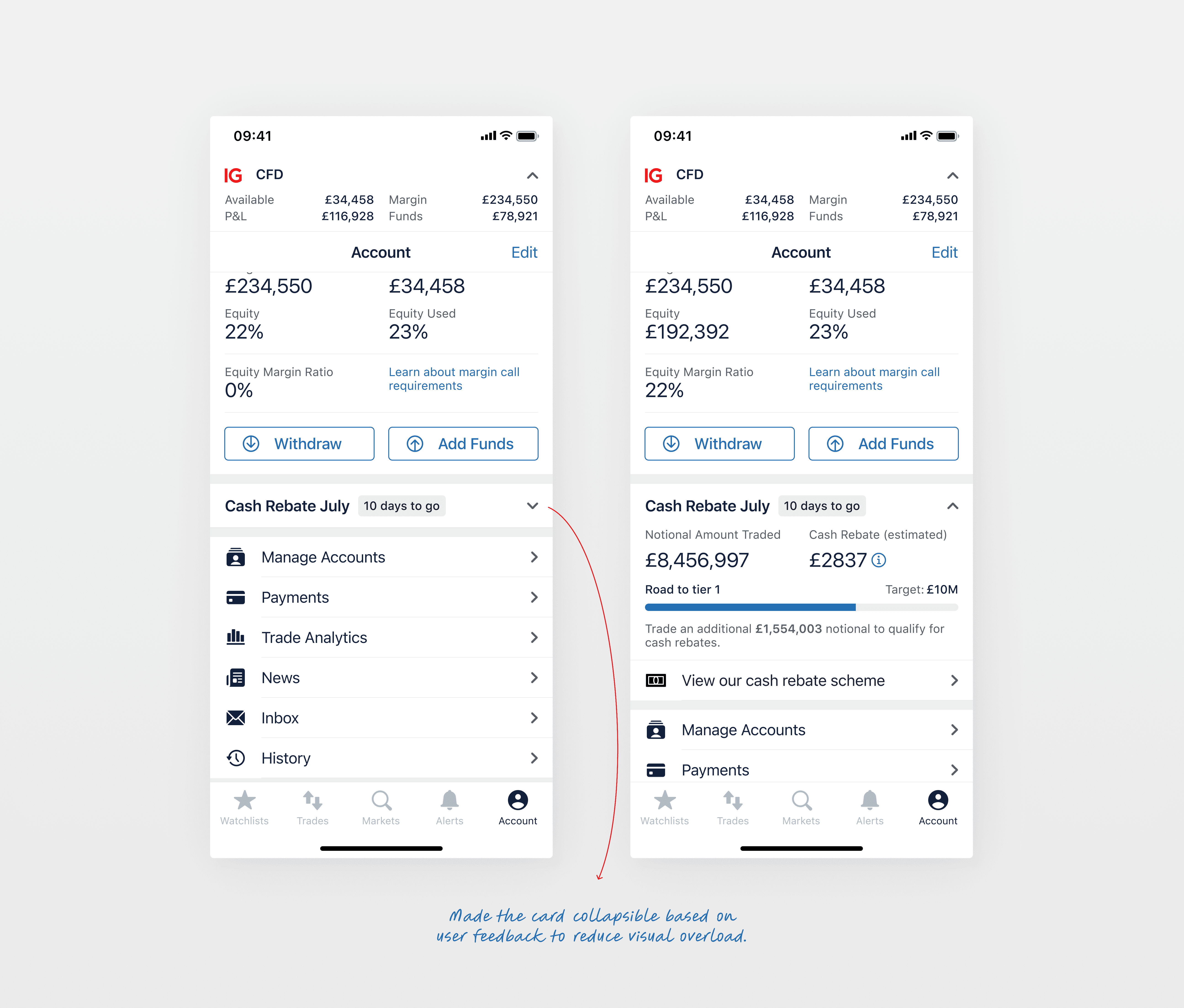
We launched the MVP to professional users in the UK to test interest. Within weeks, 65% engaged with the feature—confirming strong user interest. User interviews showed the card helped new traders understand how IG rewards volume, while some high-volume traders found it less relevant.
To address this, we added a collapsible version on mobile, giving users control without sacrificing visibility.
Business Results & Expansion
The feature led to a notable increase in trading volume across underused instruments, improving platform balance and reducing reliance on CFDs and shares.
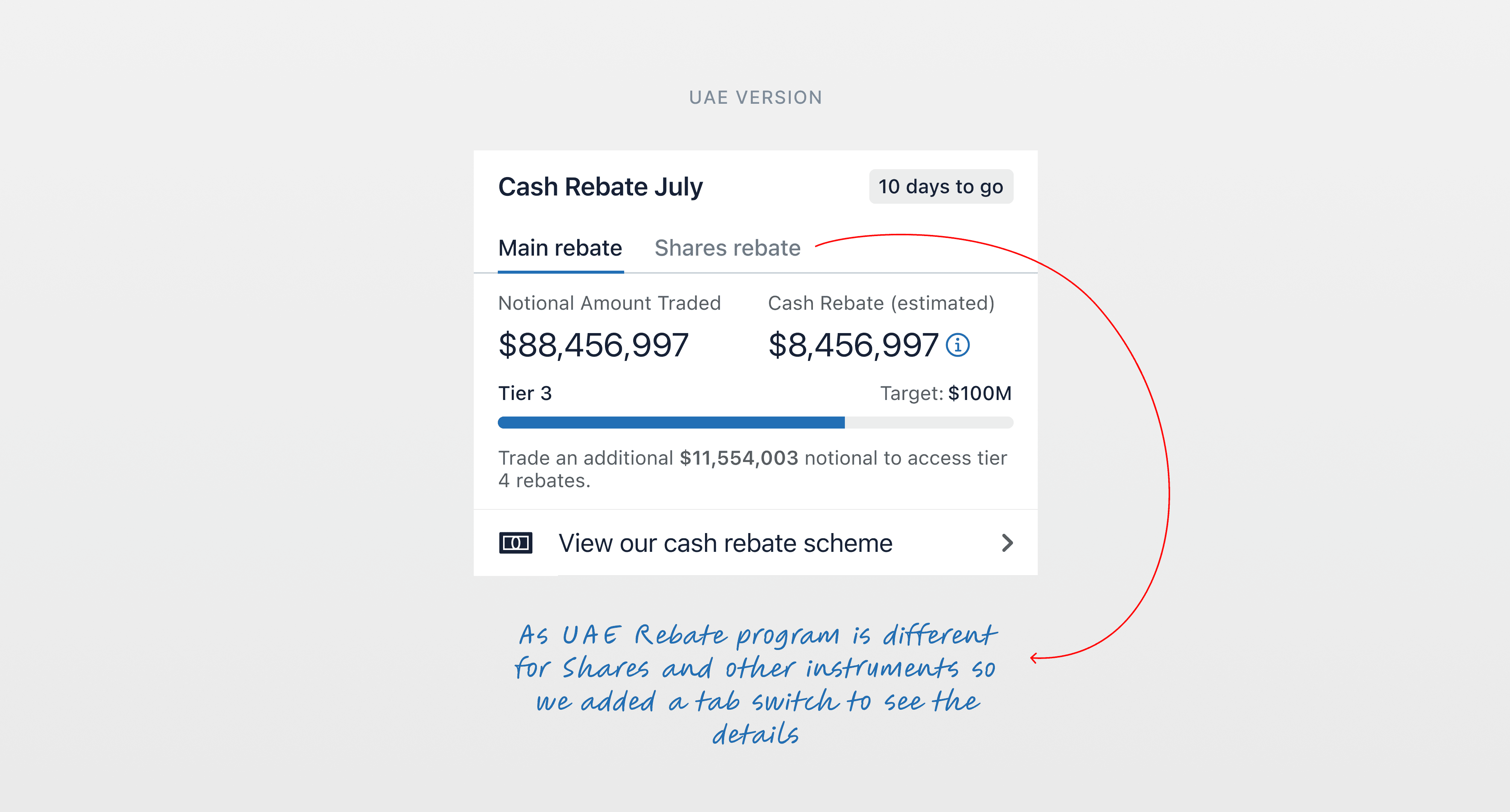
Following its success, we localized and launched the feature in the Middle East (for all users) and are now rolling it out across APAC markets with region-specific tweaks.
// Project outcome & Impact
We transformed a hidden rebate into a visible, user-first feature driving diversification across instruments beyond FX and Indices, and generating $4.4B in notional volume within the launch period. The results were strong enough to trigger a global rollout across APAC, the Middle East, and EU markets.
Notional trading volume directly attributed to rewards-linked trades driven by the campaign
More likely to place a trade within 60 minutes for users who engaged with the VBR tracker
Uplift in conversion rate compared to traditional email campaigns across the same segment